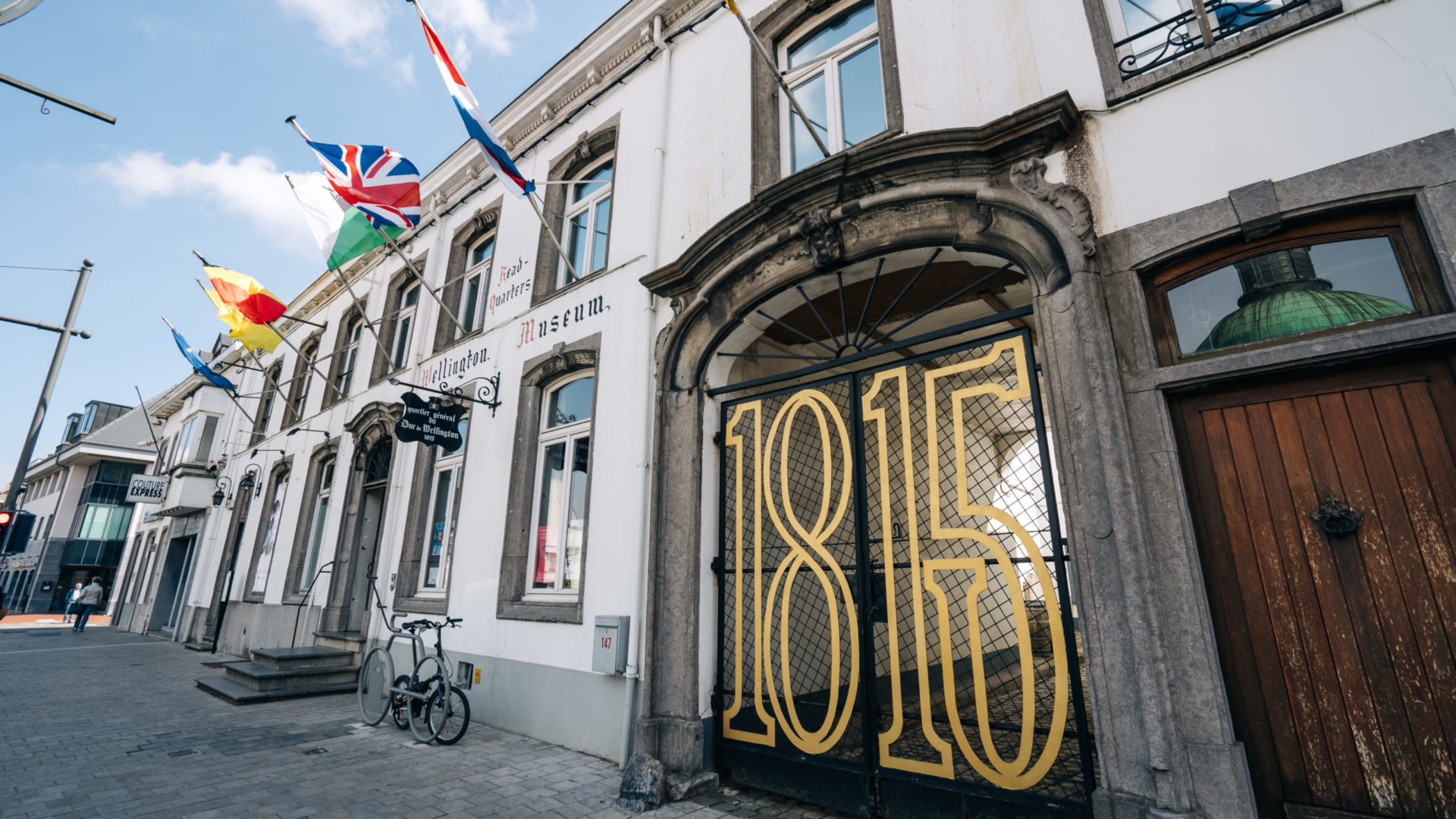
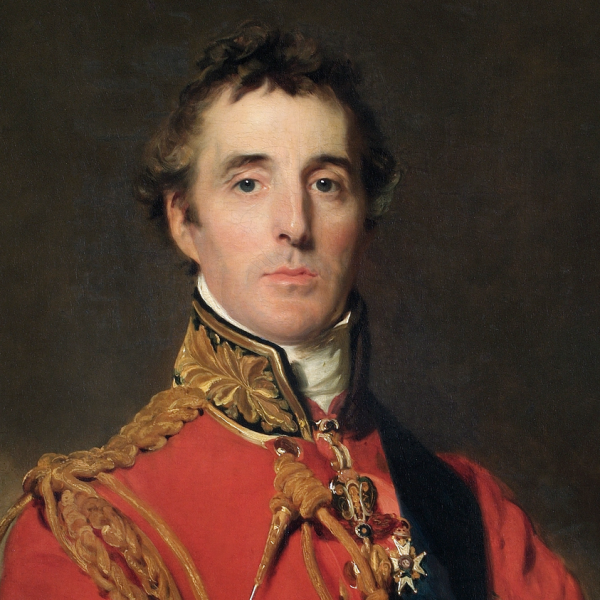
This old building from 1705 was chosen to house various staffs. It was here that the Duke of Wellington established his headquarters on June 17, 1815, before facing Napoleon. He wrote his victory report here, and thus gave the name “Waterloo” to the famous battle.
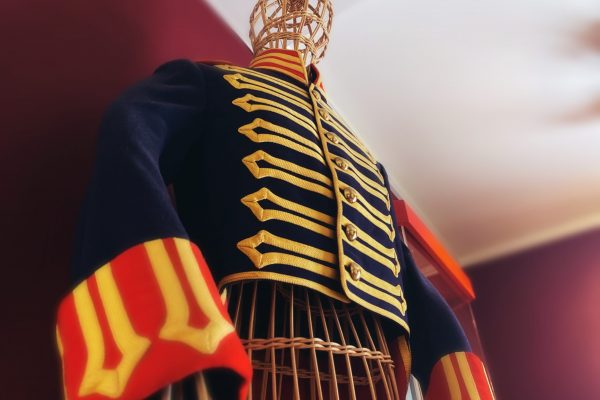
Through authentic souvenirs, weapons and engravings, the various rooms of the museum retrace the events of the period and perpetuate the memory of the nations and combatants who took part in the confrontation.
In addition, the museum has a temporary exhibition room and regularly hosts special events.
Ce site utilise des cookies pour améliorer votre expérience. Nous supposerons que vous êtes d’accord avec cela, mais vous pouvez refuser si vous le souhaitez.Cookie settingsACCEPTER
Privacy & Cookies Policy
Privacy Overview
This website uses cookies to improve your experience while you navigate through the website. Out of these cookies, the cookies that are categorized as necessary are stored on your browser as they are essential for the working of basic functionalities of the website. We also use third-party cookies that help us analyze and understand how you use this website. These cookies will be stored in your browser only with your consent. You also have the option to opt-out of these cookies. But opting out of some of these cookies may have an effect on your browsing experience.
Necessary cookies are absolutely essential for the website to function properly. This category only includes cookies that ensures basic functionalities and security features of the website. These cookies do not store any personal information.
Any cookies that may not be particularly necessary for the website to function and is used specifically to collect user personal data via analytics, ads, other embedded contents are termed as non-necessary cookies. It is mandatory to procure user consent prior to running these cookies on your website.